Every founder we talk to has, at some point, been sold “SEO” as a one-time fix pay once, rank forever. It’s one of the most persistent myths in digital marketing, and it’s costing African SMEs real visibility. The businesses winning search right now aren’t the ones with the biggest budgets. They’re the ones treating SEO as an ongoing system, not a checklist item.
AI has changed the game, not ended it
The biggest shift shaping search right now is the rise of AI-driven results and summaries Google, ChatGPT, Gemini and Perplexity are increasingly answering questions directly instead of just listing links. For businesses, that means optimising content isn’t just about ranking on a search engine anymore; it’s about being understood and trusted enough by AI systems to get recommended, not just indexed.
That doesn’t mean SEO fundamentals are dead. Search engines still lean on structure, relevance, and genuine expertise to decide what’s worth surfacing AI has changed how content gets evaluated and summarised, not why it matters in the first place. If anything, the bar has gone up: AI is filtering out weak, generic content harder than ever, which means the businesses doing the basics properly now have a real edge over those chasing shortcuts.

Local SEO is still your biggest lever
For most African SMEs, the smartest place to compete isn’t a crowded national keyword it’s local. A well-maintained Google Business Profile, consistent business details across every directory, and a steady stream of recent, genuine reviews will outperform most small business websites without a single line of extra code. Trying to rank for “accountant” nationally is a losing fight. Ranking for “accountant in Westlands” or “accountant in Ikeja” is winnable, and it puts you in front of customers who are already looking to buy.
Your website’s structure matters more than its look
A website can look polished and still be invisible to search engines. Clean URL structures, dedicated pages for each core service instead of one crowded homepage, and fast load times all directly affect whether Google and now AI engines can find and trust your content. It’s an easy trap: business owners invest in design and skip the plumbing underneath it, then wonder why the phone isn’t ringing.
Mobile matters here more than most business owners realise. With the majority of searches across African markets now happening on phones, a slow or clunky mobile experience doesn’t just frustrate visitors it actively costs you rankings and customers before they’ve even seen what you offer.
"Digital marketing in Kenya is no longer optional your customers are already online."
What this means for your business
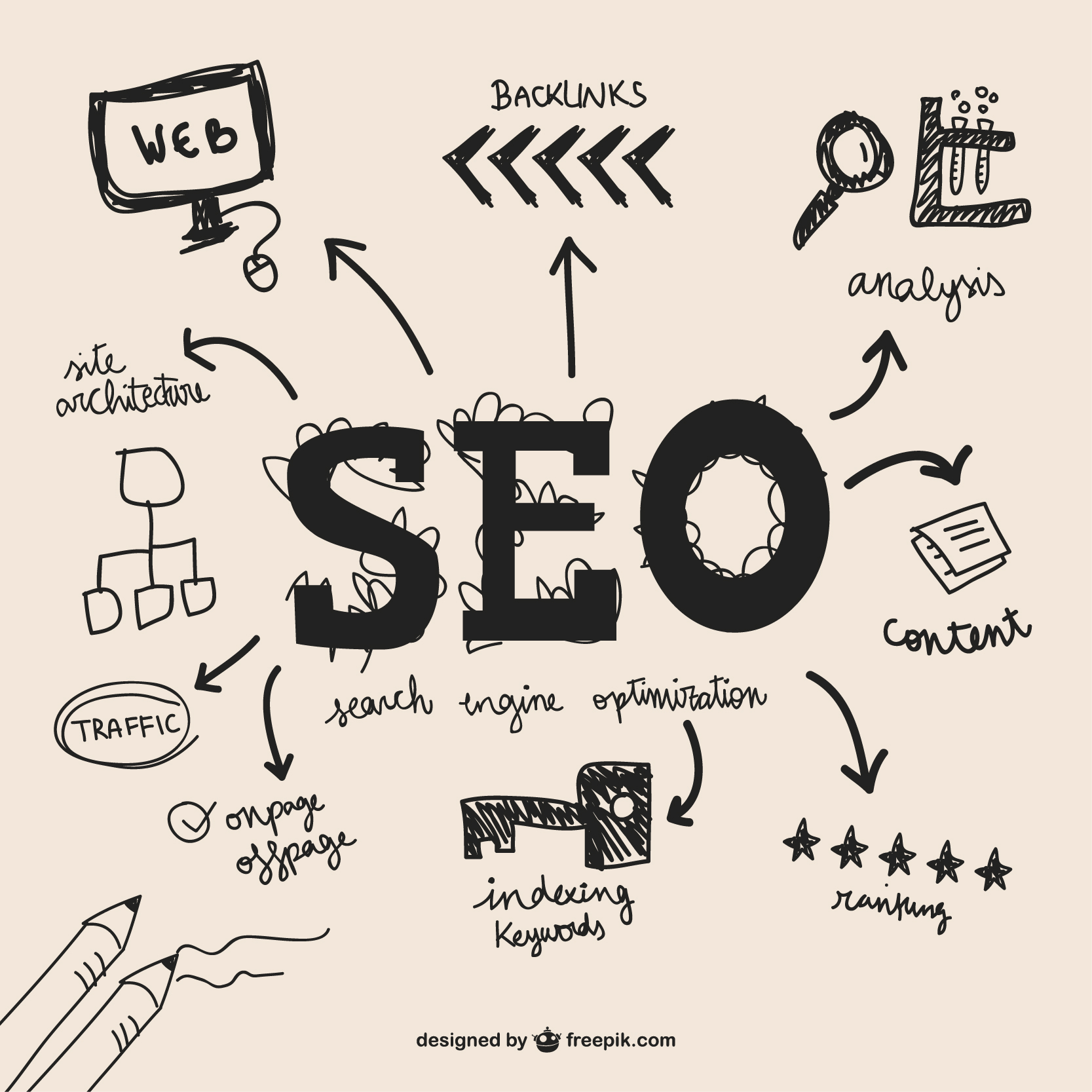
SEO in 2026 isn’t about chasing a single keyword or gaming an algorithm. It’s about building a system: a fast, well-structured site, consistent local signals, content that genuinely answers what your customers are asking, and enough trust with both search engines and AI tools to get chosen over the competitor next door. Done properly, that system compounds. Done as a once-off task, it quietly decays.
If your business isn’t showing up when your next customer searches for exactly what you sell, that’s not bad luck. That’s a fixable system problem and it’s exactly the kind of problem we build for.